
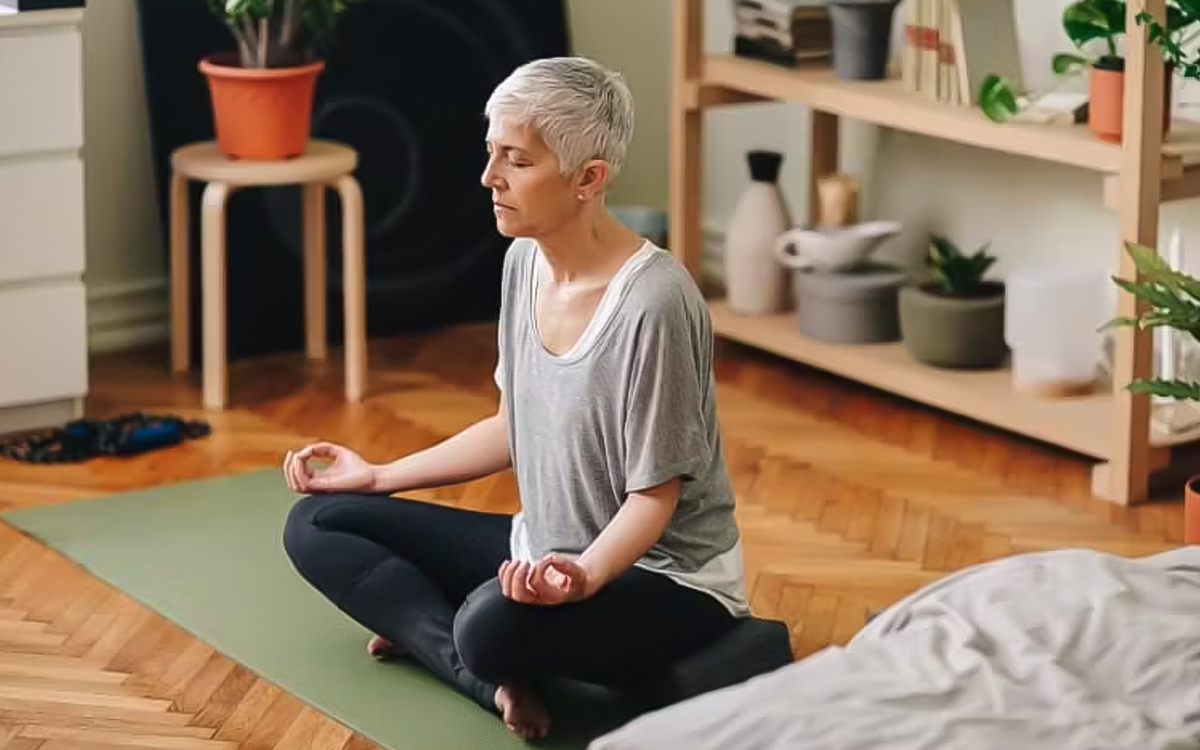
Now more than ever, mental health is extremely important. We’ve all got a combination of cabin fever and a fear of the outside world. During these uncertain times, it is important to focus on ways to help manage fear and anxiety. And the best way to do this is by meditation.
Meditation has been shown to have mental benefits, such as improved focus, happiness, memory, productivity and more. If you want to learn how to mediate, you can practice these beginner meditation steps:
1. Set a time of meditation and stick to it.
Plan out when and where will you meditate. Initially, you can practice for 10 to 15 minutes. Find a space where no one can disturb you may it be a person or noise. It takes determination and discipline to have a meditation habit every day but setting aside time for it will be worth it.
2. Wear something comfortable.
Wearing something uncomfortable will stray your thoughts away from clearing your mind. Clothes that are comfortable and allow you to expand your chest while you practice breathing exercises can do wonders.
3. Sit where you can relax.
Forget about the image of sitting crossed legged on the floor if that makes you feel tight. Simply sitting on an upright chair is also recommended to correct your posture and rest your hands on your lap. You may feel the chair you’re sitting on and the environment you’re in when you’re in the process of meditating.
4. Listen to a meditation guide in the background.
For a beginner, you can listen and follow a meditation guide podcast to help you with the step-by-step ways to meditate. This can also help you calm your mind as you listen to the soothing voice of the guide.
5. Focus on your breathing and surrounding.
One of the goals for meditation is to clear your mind from anxiety. During the process, simply focus on your breathing exercise. It is best to close your eyes so no distractions can hinder your concentration.
6. Remember your motivation.
A plan without a goal lead to nothing. Be clear on why you need to do the meditation. Do you want to manage your anger? Do you feel anxious all the time? There are different reasons people practice meditation, but being clear on your goal helps you be motivated to practice it every day.
Meditation improves your physical and mental health. It is easy, effective, and free. You simply need to give time, perseverance, and discipline for it to be effective. Try this beginners’ guide to meditation and experience the calmness embracing your mind and body.


Leave a comment
All comments are moderated before being published.
This site is protected by hCaptcha and the hCaptcha Privacy Policy and Terms of Service apply.